Home Safety

HOPE is a member of the Safe and Well referral scheme operated by South Yorkshire Fire and Rescue Service. We can make referrals for the families we support if we feel they could benefit from advice and information about home fire safety and help to install working smoke alarms.

Smoke alarms are crucial in alerting residents to danger and have been shown to improve survival in the event of a house fire. Smoke alarms are easy to install and require minimal maintenance, but they could one day save the lives of you and your family.

Home Safety

HOPE is a member of the Safe and Well referral scheme operated by South Yorkshire Fire and Rescue Service. We can make referrals for the families we support if we feel they could benefit from advice and information about home fire safety and help to install working smoke alarms.

Smoke alarms are crucial in alerting residents to danger and have been shown to improve survival in the event of a house fire. Smoke alarms are easy to install and require minimal maintenance, but they could one day save the lives of you and your family.
But you can carry out your own online home fire safety check by clicking the button below:

Start Your Online Home Fire Safety Check

At the end of this check, you will be provided with safety advice relevant to you. Then, if you are eligible for a home safety visit from South Yorkshire Fire Service, you will be asked to submit your contact details and you will be contacted to arrange your in-person visit.

At the end of this check, you will be provided with safety advice relevant to you. Then, if you are eligible for a home safety visit from South Yorkshire Fire Service, you will be asked to submit your contact details and you will be contacted to arrange your in-person visit.

Top 10 tips from South Yorkshire Fire and Rescue

There are plenty of other things that you can do around the house to ensure the safety of you and your loved ones.

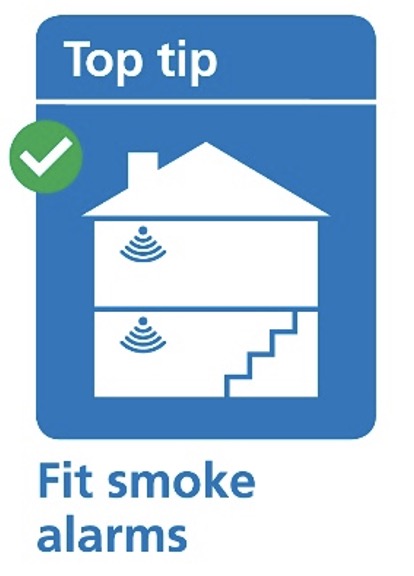
• Make sure you have smoke alarms on every floor of your home 

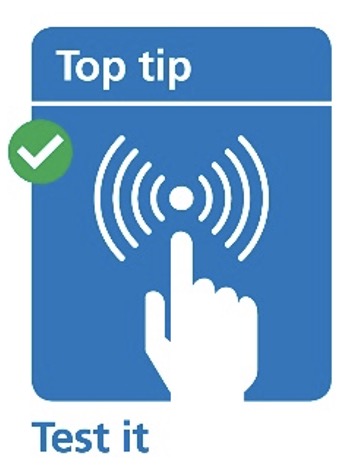
• Smoke alarms save lives, but only if they are working. Please test smoke alarms weekly

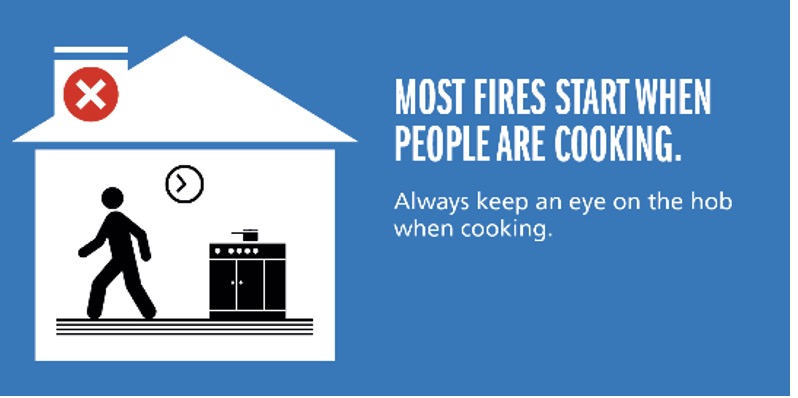
• Take extra care in the kitchen and never leave cooking unattended

Never use a chip pan or any other pan filled with hot oil

Don’t overload electric sockets– most can only take a maximum of 13 amps

• Keep matches and lighters away from children

Keep clothes well away from heaters and open fires

Put out cigarettes properly and dispose of them carefully

Don’t charge things like mobile phones, tablets or e-cigs overnight, or longer than the recommended charging time

Plan an escape route and make sure everyone in the house knows how to get out in the event of a fire

Smoke Alarms

Smoke alarms play an important role in preventing deaths and injuries in the event of a house fire. They provide an early warning, giving extra time for escape. You are 8 times more likely to die from a fire if you don’t have a working smoke alarm in your house. However, smoke alarms are only effective if they are functioning properly. It is important to regularly check that your smoke alarms are in good working condition to ensure they will serve their purpose when needed.

Test regularly by holding down the ‘test’ button until it beeps

Change the battery when the low battery warning operates

• Make sure they are free from dust and dirt

In the event of a fire

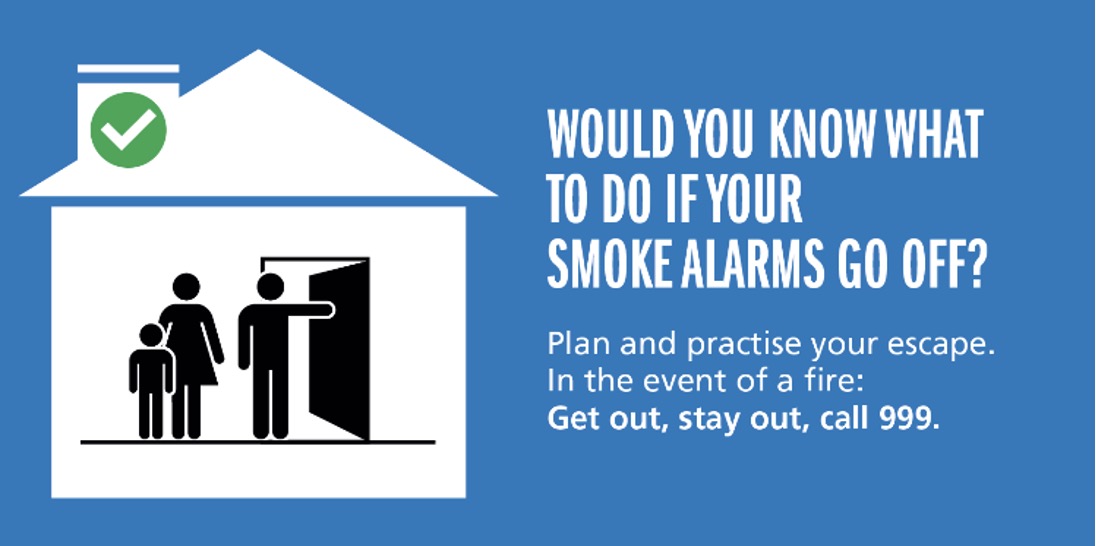
If your smoke alarms go off or you discover a fire in your home, get out, stay out and call 999.

Choose the best escape route– usually your normal way in and out of the home

• If the first route is blocked, think of a second one, and keep stairs and escape routes cleared at all times

• Make sure everyone knows where to find door and window keys so they can get to them quickly in the event of a fire

• Practice your escape plan with everyone in your house, so everyone knows what to do in the event of a fire

Bedtime Routine

Most fire deaths happen at night, so take the time to check your home before you go to bed.

The key steps include:

Check your escape routes are clear of obstacles

• Make sure your keys are kept where you and your family can find them

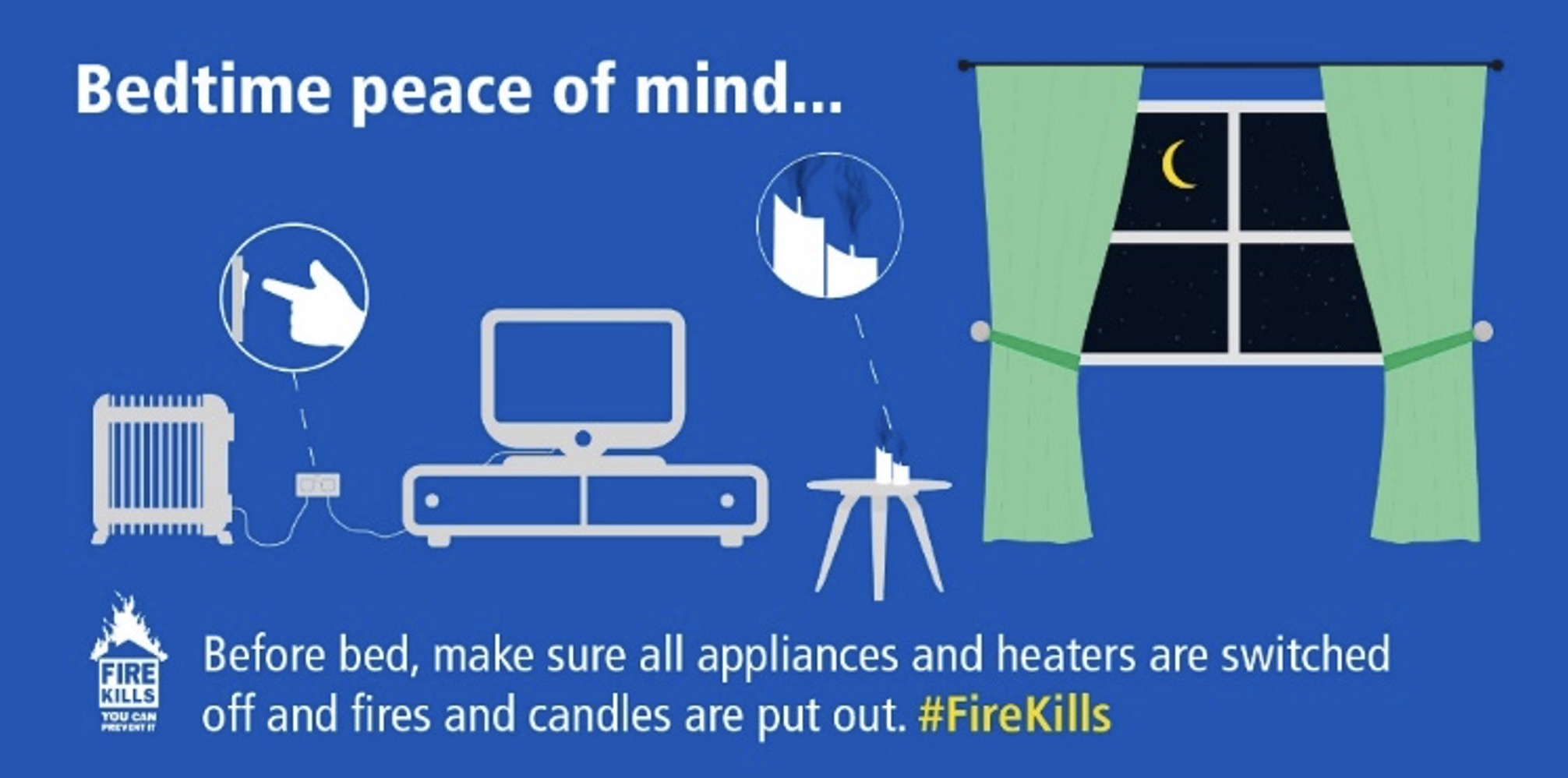
Switch off cookers, washing machines, heaters, laptops and other electrical appliances, unless they are meant to be left on, like fridges and freezers

Unplug mobile phones, tablets, e-cigarettes and other types of charger – never leave them to charge overnight

• Make sure candles are put out– never leave a lit candle unattended

Close internal doors, especially downstairs. If a fire does start, this stops it from spreading as fast

• If you have a mobile phone, take it to bed with you. Call 999 in an emergency

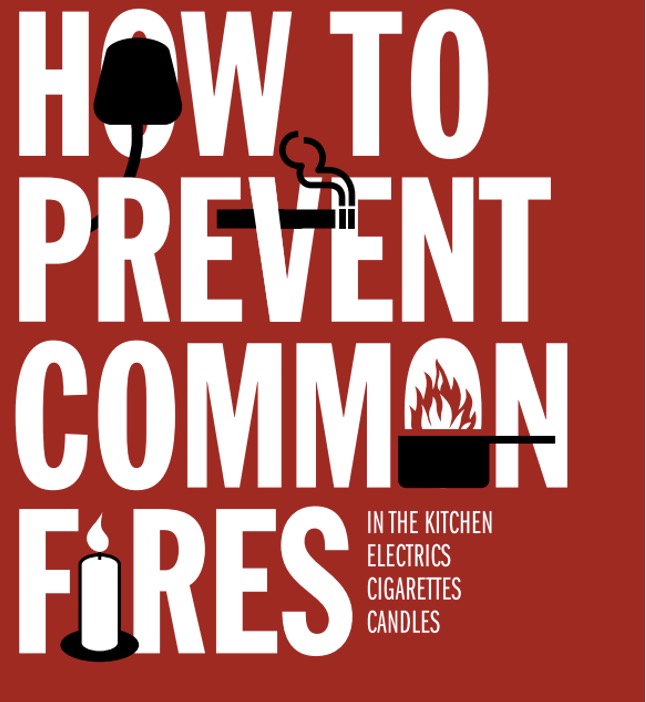
How To Prevent Fires

In the kitchen

Remember: Cooking is the leading cause of home fires. Always stay in the kitchen when cooking.

Do not cook if you’re extremely tired or not feeling well after a night out. Falling asleep while cooking is a common cause of fires. Stay near if you have hot oil and never pour water on it. Keep electrical leads, cardboard and fabrics well away from the hob and keep ovens, hobs and grills clean from grease and crumbs.

Make sure that you switch off cooking appliances when you’ve finished cooking and gone to bed.

Heated hair appliances

Store heated hair appliances, such as straighteners and curling tongs, safely to prevent house fires. Keep them out of reach of children and switch them off when not in use.

Appliances

Avoid running your washing machine or dishwasher at night in case it has an electrical fault that starts a fire while your family is asleep.

Matches and lighters

Keep matches and lighters well out of reach of young children and teach children not to play with them. Get into the routine of putting them back in the same place every time.

Smoking

Make sure your cigarette is properly out and if you’re really tired, it’s best not to smoke in case you fall asleep with the cigarette in your hand.

Candles

Make sure candles are well away from things that could catch fire like curtains or furnishings, or bookshelves with little space above the flame. Keep them out of reach of children who may be tempted to play with them.


E-bikes, e-scooters and hoverboards

Do not charge e-bike or e-scooter batteries when you are away or overnight. The lithium-ion batteries they use can cause fires that spread rapidly and are hard to put out. Shop wisely and charge safely to lower the risk of fire.

Overloaded sockets

Don’t overload electrical sockets. Take care not to plug lots of chargers and equipment into an extension lead from one electrical socket – the socket will be dangerously overloaded.

Electrical Safety First has a fantastic online socket calculator so you can check that you’re not overloading your sockets.

Socket Overload calculator – Overloading Sockets | Electrical Safety First